

KEP Blog

Boundary Sunset
I was on the Border Road, as we call it, photographing some some other things when I passed this boundary marker. I thought I’d take a picture of it to use in my History classroom. As it turned out, the warm light on the marker combined with the sunset colours made for an interesting photograph.
This is one of the Convention of London boundary markers on the Canada-USA boundary close to where I live. I love the fact that most of the boundary between Canada and the US is kind of like this - just a ditch or a path cleared through the bushes. No fences, no wire, and no “wall” to separate us. We need to keep a least a few monuments to trust and peaceful co-existence in a world where everyone seems to be yelling, or shooting, at each other.
I was on the Border Road, as we call it, photographing some some other things when I passed this boundary marker. I thought I’d take a picture of it to use in my History classroom. As it turned out, the warm light on the marker combined with the sunset colours made for an interesting photograph.
Nikon D750 w. Tamron 24-70 f/2.8 @ ISO 500 - 1/125 @ f/9.5

My Backyard in May
My Backyard in May is a loose collection of photographs that I took one weekend in May. I hadn’t picked-up my camera for some time so it was as much a “practice session” as it was one of my “serious” photography outings. All of these photographs were taken in my yard.

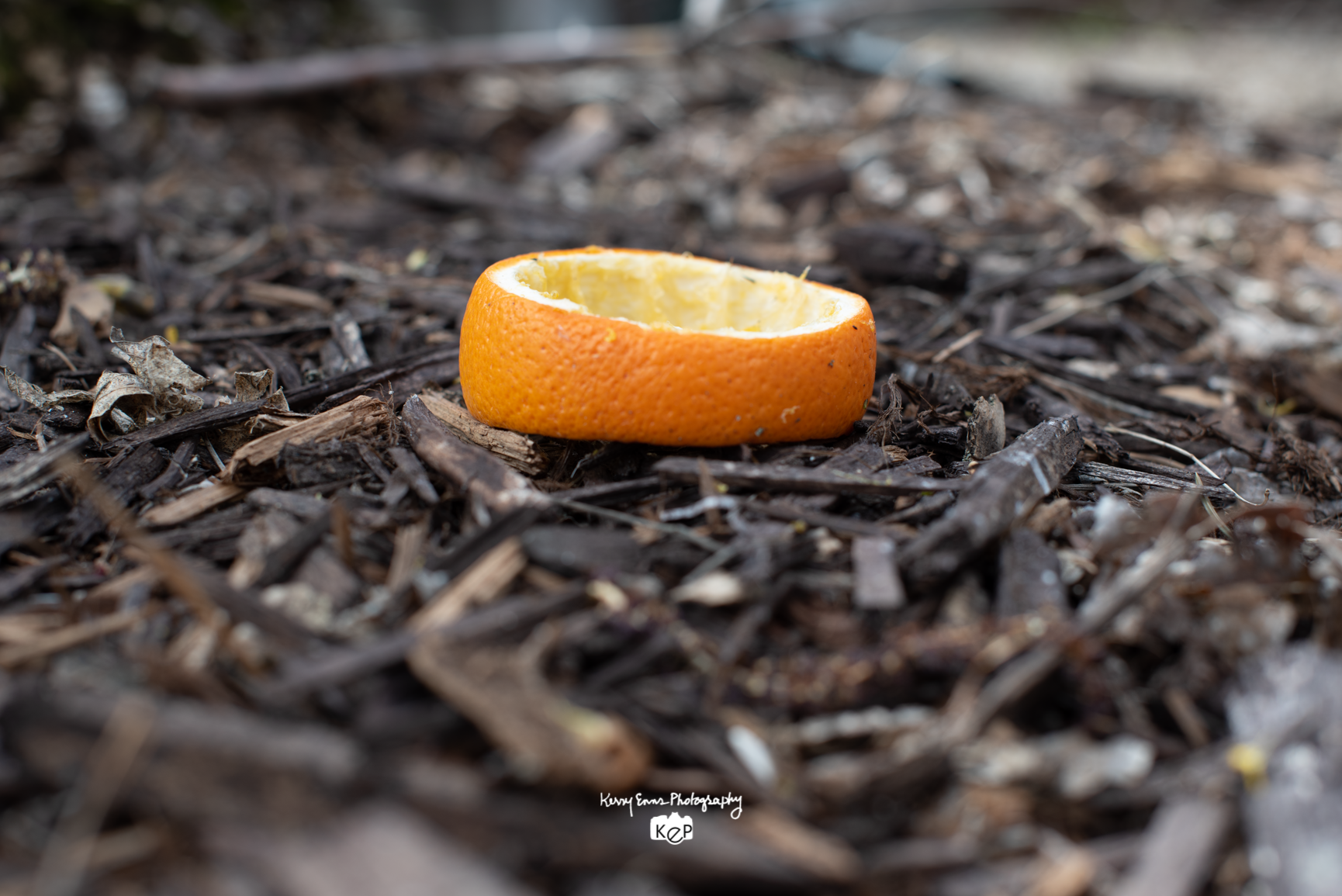





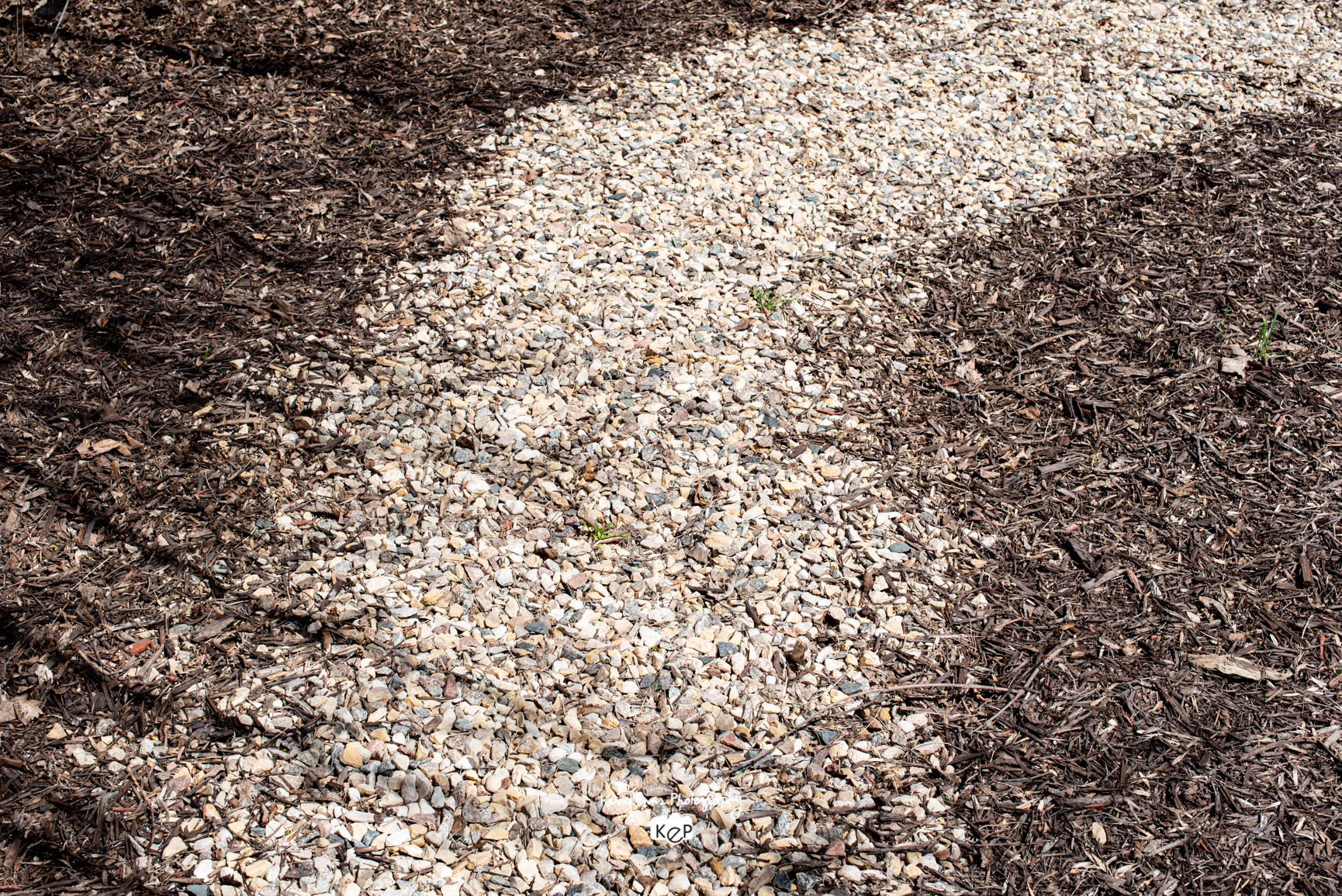


My Backyard in May is a loose collection of photographs that I took one weekend in May. I hadn’t picked-up my camera for some time so it was as much a “practice session” as it was one of my “serious” photography outings. All of these photographs were taken in my yard.
Given that I classified the day’s photography as a “practice session”, I added some challenges. First, I only used my 50mm lens. The 50mm is considered to be the “normal lens” in 35mm photography. The perspective it offers is close to the way the human eye perceives perspective. Many consider this to be a boring lens, but I’ve found that using it pushes my creativity just a bit further. Second, I allowed the camera to set both ISO and shutter speed, leaving me to pick the best f-stop for each photograph. Again, just a creative game to sharpen my photography skills. You can judge whether my efforts were successful.
Nikon D750 w. Nikkor 50 f/1.4

Around Town
Around Town is an anthology of photographs that I’ve taken over 35 years. Sometimes I like to go for a walk, camera in-hand, just to see what I can find.


Around Town is an anthology of photographs that I’ve taken over 35 years. Sometimes I like to go for a walk, camera in-hand, just to see what I can find. This takes some photographic discipline because it forces me to see the ordinary, the things I see every day, in photographic terms of shape, texture, and form. Another discipline I sometimes add is lens choice. I don’t bring my whole kit of lenses but pick one, often a prime focal length, and force myself to make photographs with just that lens. This sometimes means that I miss opportunities or just have to leave a scene for another day. The challenges of finding design in ordinary scenes and exploring the possibilities (and limitations) of different lenses keeps my photographic muscles in shape.
These photographs have been taken over a long period of time. I don’t remember my lens choices or camera settings. I do remember than the earliest photographs were taken with Nikon FE on Ilford FP4 film. Those with darkroom knowledge and sharp eyes will notice that some of these images were reticulated during development. Reticulation occurs when there are wide temperature variations at some point during development, often during washing. In this case, I classify the reticulation as a “happy accident” because I feel that the effect adds to the abstract, grainy feel of the photographs.